AI IMAGE MODELS

AI image generator comparison, minus the cherry-picks

Every image model gets the same prompt, and we compare the raw results side by side. This is the guide to what actually separates them, and how we score it.

updated 2026-07-033 min readThe image arena is in production: we are running generations now, and this evaluation guide is the exact rubric the live side-by-side will be built on.

Most "best AI image generator" lists rank models on their own highlight reels, the one render out of forty that looked good enough to ship. That tells you what a model can do on a lucky seed, not what it does on your prompt, first try. We build the comparison the other way around.

The method mirrors our coding arena: one prompt, handed to every model, with the real generations shown side by side instead of a curated gallery. You look before you see the label, and then the community votes. Nothing here is cherry-picked, and the exact prompt is always on the table.

This page is the evaluation guide: the dimensions we score, the methodology behind the runs, and the current test roster. When the live image arena ships, this is the rubric it runs on.

What we score

Prompt adherence

Did the model render what you asked for - every subject, count, color, and spatial relation - or did it quietly drop the hard parts? We write prompts with specific, checkable details, so "close enough" and "correct" are easy to tell apart.

Text in the image

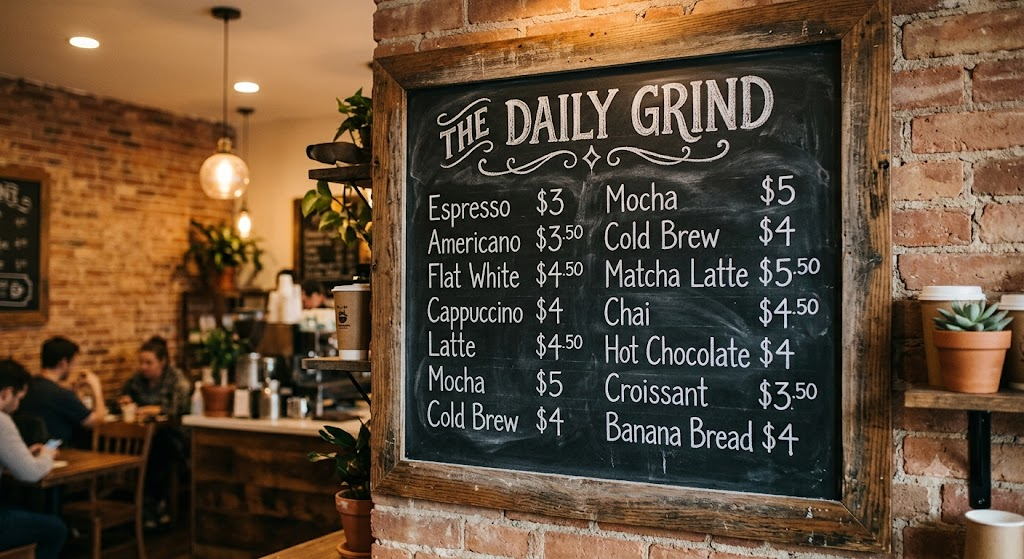
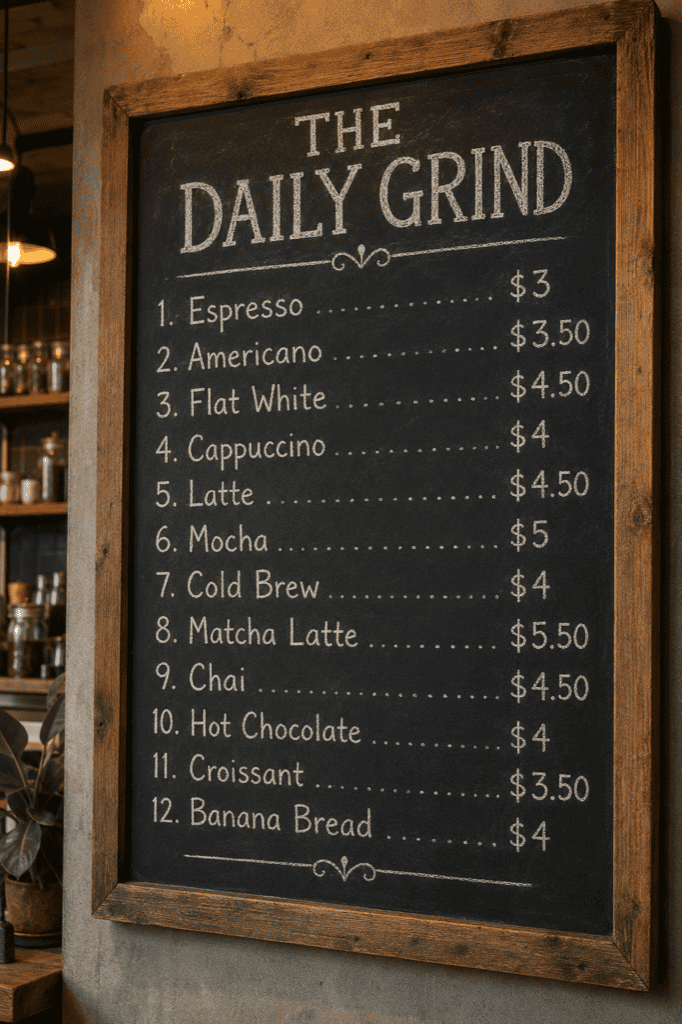
Signs, labels, UI mockups, packaging: text is where image models still fall apart. We check whether words are spelled right, legible, and placed where they belong, not just plausible-looking squiggles.

Anatomy and hands

Hands, teeth, eyes, and the way limbs connect are the classic tells. We look for the extra finger, the fused joint, and the melting background - the details that read as fine in a thumbnail and break at full size.

Style range

Some models really only do one look: glossy 3D, or the same soft illustration. We push across photoreal, line art, flat vector, and painterly briefs to see which models truly change register and which reskin one house style.

Editing and consistency

Real work means iterating: change the shirt, keep the face. We test inpainting and follow-up edits to see whether a model holds identity and composition steady or reinvents the whole frame each time.

Artifact rate

Warped edges, duplicated objects, mangled reflections, that faint AI sheen. We track how often clean-looking outputs still hide artifacts, because the failure rate across many seeds matters more than one flawless hero shot.

How we run it

The shared rules — one prompt, one shot, blind votes — live at /method. Below is what is specific to this arena.

  1. 1
    One prompt, every model

    A single brief goes to every model on the roster, unedited. No per-model prompt massaging and no friendlier wording slipped to the model we like, just the same words, published in full.

  2. 2
    Real generations, no gallery

    We show the outputs a run actually produced, misses included. Where it matters we generate several seeds per prompt, so you see the typical result and not the single frame a marketing page would pick.

  3. 3
    Blind first, then vote

    Images are shown without model names, in shuffled order, so brand pull does not decide the winner before you have looked. You judge, the labels come off, and the community tally aggregates every vote in public.

Image models on the test roster

What each model is known for, and where we expect it to be tested hardest.

ModelKnown forWhat we watchStatus
GPT ImagePrompt following and in-image textWhether style range reaches past its polished defaultOn the test roster
Google ImagenPhotoreal detail and lightingText accuracy and hand anatomy under pressureOn the test roster
MidjourneyDistinctive, aesthetic-forward rendersLiteral prompt adherence versus its house styleOn the test roster
FLUXSharp detail and open-weight flexibilityConsistency across seeds and edit follow-throughOn the test roster
Stable DiffusionOpen ecosystem and fine-tuned variantsBase-model artifacts before community tuningOn the test roster

This is our evaluation roster and what we plan to scrutinize, not scored results. No model has been ranked here; the live arena is where the verdicts come from.

Image model FAQ

How do you evaluate AI image models?

We give every model the same prompt and compare the real generations side by side across six dimensions: prompt adherence, text rendering, anatomy, style range, editing consistency, and artifact rate. Judging happens blind, with names hidden and order shuffled, before any labels or community votes appear.

Which AI image generators do you compare?

The test roster covers the models people actually reach for, including GPT Image, Google Imagen, Midjourney, FLUX, and Stable Diffusion. It is an evaluation roster rather than a ranking; this page explains the criteria the live arena will apply to them.

Why not just use an image model leaderboard score?

A single score hides where a model wins and where it breaks. A model can top an aesthetic vote and still fail at text, hands, or literal prompt adherence, so we score the dimensions separately and show the raw outputs behind each one.

Why is text rendering so hard for AI image models?

Image models generate pixels from patterns, not letters from a font, so text emerges as shapes that only resemble writing. Short, common words often come out clean, while longer strings, unusual fonts, and dense UI mockups are where spelling and spacing fall apart.

When does the live image arena launch?

It is in production now. We are running generations across the roster, and this guide is the exact rubric the side-by-side comparison will use once those runs are complete.

Can I see the exact prompts you use?

Yes. As in the coding arena, every prompt is published in full next to its results, so you can see precisely what each model was asked and reproduce the test yourself.

See the method already running

The image arena is still in production, but the coding arena is live on the exact same rules: one prompt, every model, real outputs you can interact with, judged blind. It is the fastest way to see how we compare models.

Open the coding arena